allisles.com
Trinidad and Tobago
allisles.com
Trinidad and Tobago
Trinidad and Tobago: Complete Caribbean Travel Guide
Visa Free
Last updated:
Quick Facts
- Visa Required: No (visa-free for most nationalities)
- Currency: Trinidad and Tobago dollar (TTD)
- Language: English
- Best Months: January, February, March, April, May
- Average Temperature: 28°C (82°F)
- Nearest Airport: Piarco International Airport (POS)
- Location: Lesser Antilles
- Population: 1,531,000
Trinidad and Tobago Overview
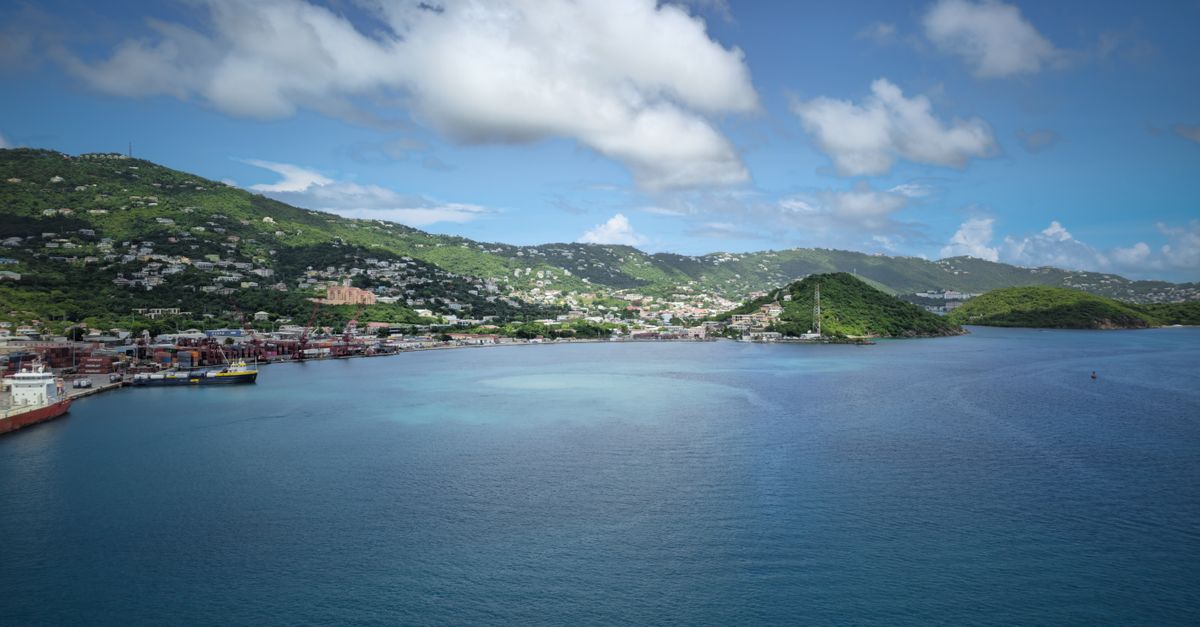
Trinidad and Tobago sits in the southern Caribbean, just off the Venezuelan coast. These two islands form a unique nation with 1.5 million people. The islands cover 5,131 square kilometers of tropical land. English is the official language, making travel easy for most visitors. The Trinidad and Tobago dollar (TTD) is the local currency.
Trinidad is the larger island and serves as the economic center. It hosts the capital city of Port of Spain. The island pulses with energy from its diverse population and vibrant culture. Trinidad offers urban attractions, nature reserves, and beautiful beaches.
Tobago is smaller and more laid-back. It sits 32 kilometers northeast of Trinidad. The island attracts visitors seeking quieter beaches and natural beauty. Tobago offers world-class scuba diving and pristine shorelines. Both islands share a rich history shaped by indigenous peoples, colonization, and immigration.
The nation gained independence in 1962. Today, Trinidad and Tobago blends African, Indian, European, and Caribbean influences. This cultural mix creates unique music, food, and celebrations. The famous Carnival happens every year before Ash Wednesday. Visitors experience this vibrant celebration with music, dancing, and elaborate costumes.
Why Visit Trinidad and Tobago
Best forcouplesfamiliessolo travelersluxury travelersbudget travelers
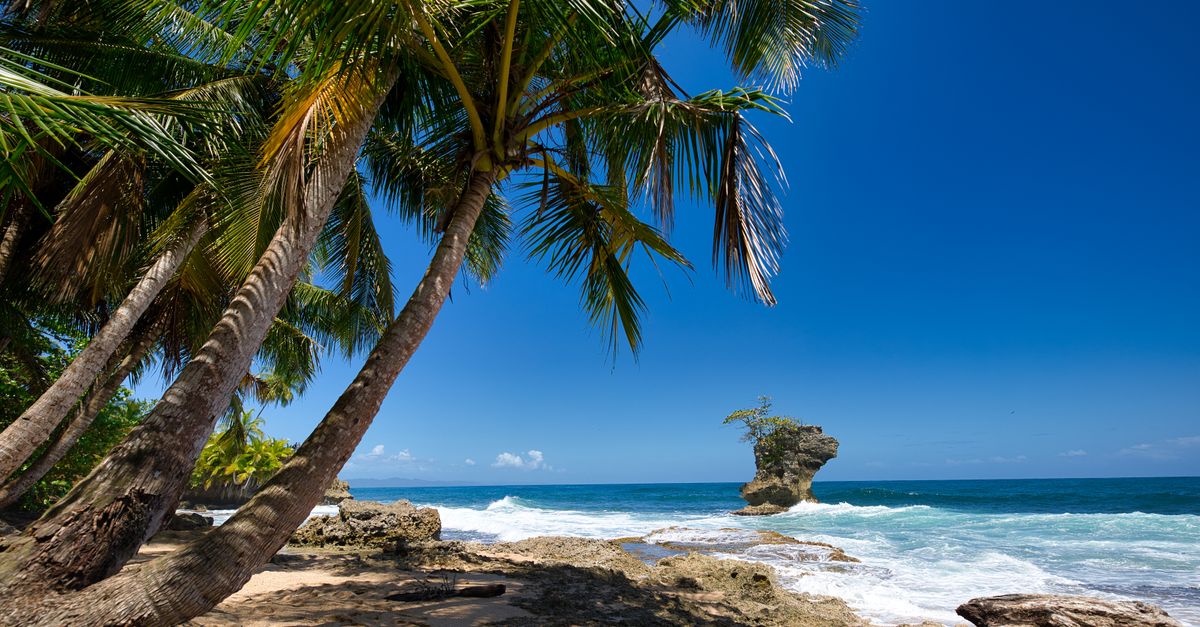
Trinidad and Tobago offers something for every traveler. The islands provide pristine beaches, world-class diving, and rich cultural experiences. You can explore colonial architecture in Port of Spain or relax on Tobago's white sand beaches.
The diving here ranks among the Caribbean's best. Tobago's coral reefs host colorful fish, sea turtles, and rays. Dive sites include Speyside Reef and the Argyle Waterfall. The water stays warm year-round, perfect for underwater exploration.
Nature lovers explore the islands' diverse ecosystems. The Northern Range mountains stretch across Trinidad. Asa Wright Nature Centre protects 600 acres of rainforest. Over 470 bird species live on these islands. You can spot hummingbirds, trogons, and scarlet ibises.
The food scene reflects the islands' multicultural heritage. Try doubles (fried flatbread with curry chickpeas), roti, and fresh seafood. Local spices create bold, unforgettable flavors. Street food vendors offer authentic meals at affordable prices.
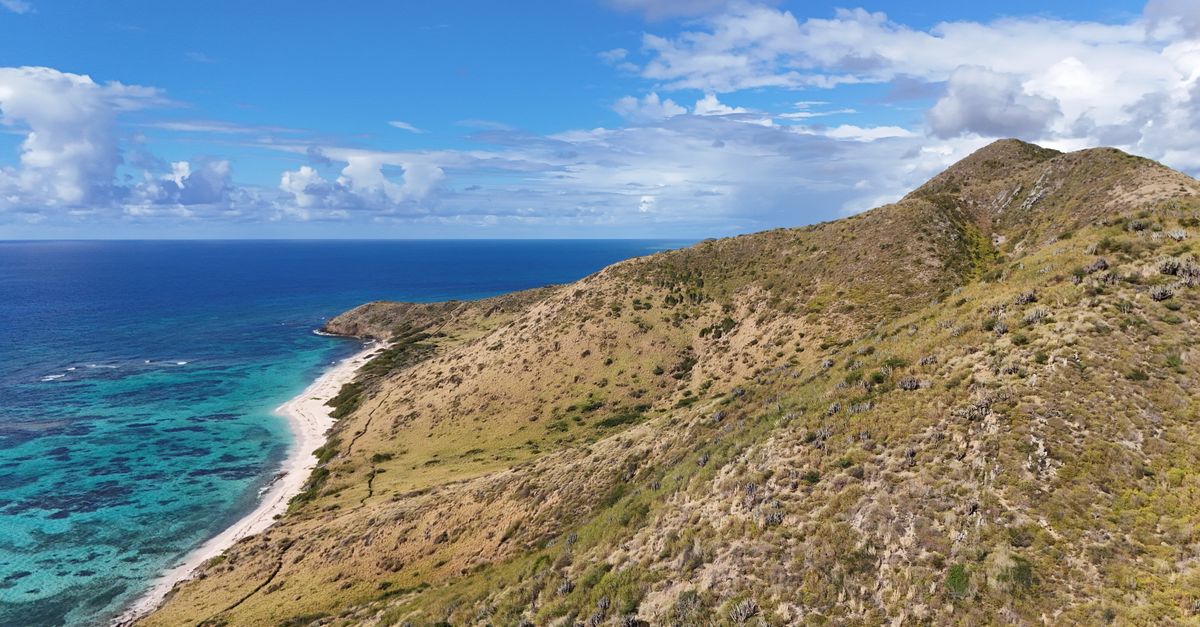
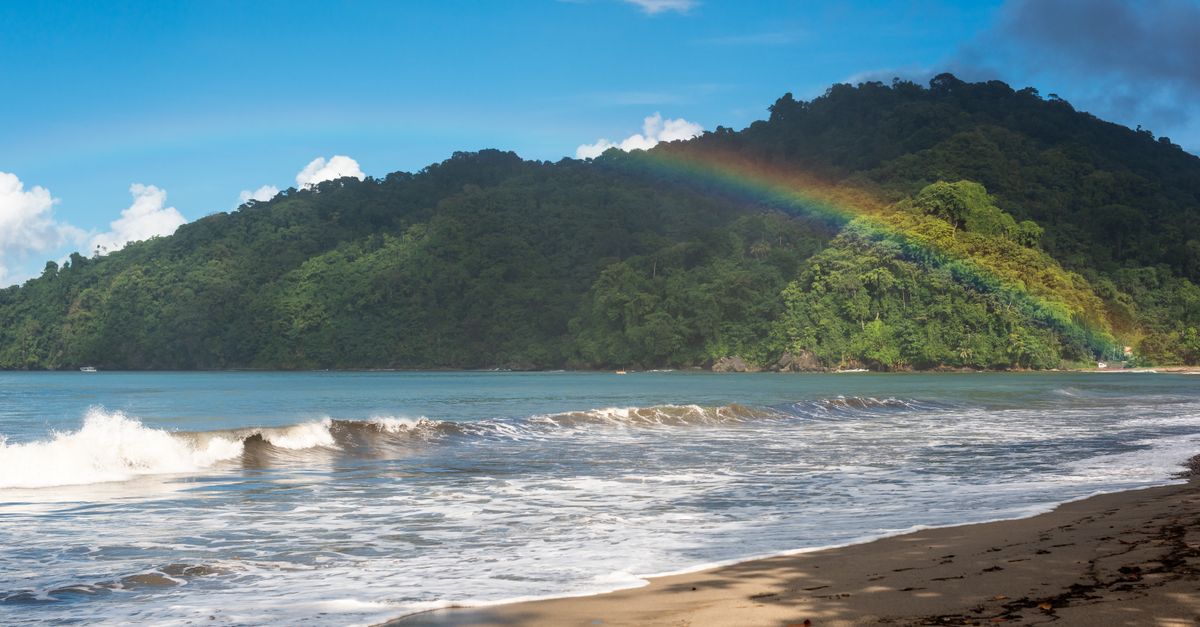
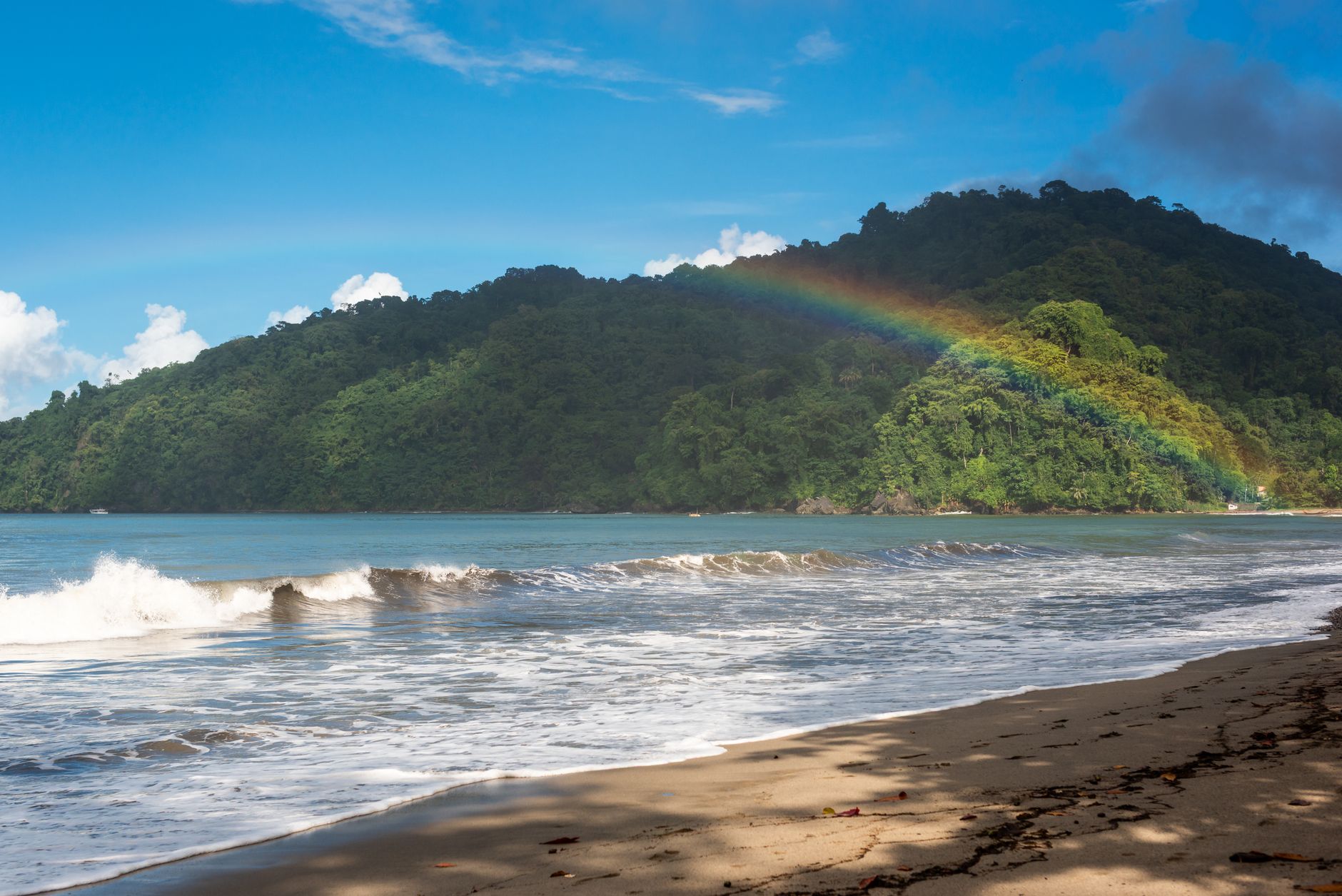
Beaches range from busy social spots to secluded coves. Maracas Beach near Port of Spain is famous for waves and crowds. Pigeon Point Beach in Tobago offers calm, clear water. Store Bay features powdery white sand and shallow waters. Each beach has its own character and charm.
PRO TIP: Purchase a refillable water bottle at Port of Spain. Tap water is safe to drink throughout both islands. Staying hydrated in the tropical heat is essential.
Trinidad and Tobago for Families
Best forfamilies with children of all ages
Families discover countless activities across Trinidad and Tobago. The islands provide safe, engaging experiences for kids. Beach days combine swimming, snorkeling, and relaxation.
Maracas Beach offers wave action perfect for older kids. The nearby shacks serve fresh fish and cold drinks. Families can spend entire days here without boredom. Parking is available, and facilities include restrooms and vendors.
Pigeon Point Beach in Tobago suits families with younger children. The water is shallow and calm. The beach has a restaurant serving local and international food. Families rent beach chairs and umbrellas for the day.
Nature centers engage curious young minds. Asa Wright Nature Centre offers guided walks through rainforest. Kids learn about tropical plants and wildlife. The centre has picnic areas and hiking trails of varying difficulty. Bring binoculars and a camera to capture bird sightings.
The Caroni Swamp boat tour thrills visitors of all ages. You navigate narrow water channels through mangrove forests. Red ibises rest in trees at dusk, creating stunning views. Tours take about two hours and depart from Port of Spain.
Beach resorts offer kids' clubs and water activities. Many resorts have pools, water slides, and organized games. Some islands offer snorkeling lessons for children. Families can enjoy both relaxation and adventure.
Street festivals and markets give kids cultural exposure. Visit the Red Market in Port of Spain for local produce and crafts. The Energy Museum in Port of Spain teaches about Trinidad's oil industry. Kids enjoy interactive displays and educational programs.
PRO TIP: Pack reef-safe sunscreen. The islands' coral reefs are delicate. Harmful sunscreen chemicals damage marine ecosystems. Local pharmacies sell reef-safe brands.
Trinidad and Tobago for Couples

Best forromantic getawayshoneymoonsanniversary celebrations
Couples find romance throughout these Caribbean islands. Sunset dinners on secluded beaches create perfect moments. The warm tropical climate sets a romantic mood year-round.
Tobago offers the most romantic settings. The island's smaller size feels intimate and peaceful. Couples hike to Argyle Waterfall, swimming in natural pools surrounded by rainforest. The journey takes about 20 minutes and rewards with waterfall views and cool water.
Speyside, Tobago's quiet fishing village, provides authentic charm. Couples enjoy fresh seafood at beachfront restaurants. The town feels untouched by mass tourism. Strolling the main street, you see locals fishing and children playing.
Sunset at Store Bay creates magical moments. Watch the sky turn orange and pink over the Caribbean. The shallow water warms in the sun's last rays. Couples wade in together as the day ends.
Resort spas offer couples massages and wellness treatments. Many resorts have oceanfront massage facilities. Couples relax with aromatherapy and traditional Caribbean treatments. Schedule treatments during sunset for ultimate romance.
Scuba diving together creates bonding experiences. Explore coral gardens and shipwrecks with your partner. Even beginners can take certification courses together. Tobago's dive operators are experienced and safety-focused.
Fine dining experiences blend international and local cuisine. Port of Spain has upscale restaurants with creative menus. Chefs blend Caribbean flavors with modern techniques. Book tables by the window for harbor views.
Carnival celebrations bring couples together in celebrations. The music, dancing, and vibrant energy are contagious. Couples costume shopping together creates fun bonding time. Even non-dancers enjoy the festive atmosphere.
Trinidad and Tobago for Solo Travelers
Best forindependent travelersbudget backpackersadventure seekers
Solo travelers thrive on Trinidad and Tobago. The islands are safe, welcoming, and easy to navigate. English speakers connect easily with locals. Budget accommodations range from hostels to guesthouses.
Backpackers find affordable hostels in Port of Spain and Tobago villages. Shared dormitory rooms cost less than private rooms. Hostel common areas help solo travelers meet others. Many hostels organize group activities and outings.
Public transportation works well for solo exploration. Buses connect major towns on both islands. Minibuses offer informal service on fixed routes. Fares are inexpensive. Ride-sharing apps operate in main areas.
Markets and street food provide cheap meals. The Red Market in Port of Spain sells fresh fruits and vegetables. Street vendors serve roti, doubles, and local dishes. Cost ranges from minimal to a few dollars per meal.
Solo hiking adventures are accessible and rewarding. The Northern Range mountains offer trails of different difficulties. Asa Wright Nature Centre provides guided hikes. The Maracas Waterfall trail takes two hours. Solo walkers enjoy the peaceful rainforest atmosphere.
Swimming and snorkeling require no special planning. Most beaches are free and open to the public. Snorkel gear rentals cost a few dollars per day. You can explore reefs independently at shallow sites.
Solo travelers join group dive tours easily. Tobago's dive operators run regular group dives. You meet other divers and get professional instruction. Group tours feel social without requiring advance friendships.
Evening activities include live music venues and clubs. Port of Spain has bars with live bands every night. Local music styles include soca, calypso, and reggae. Cover charges are low, and drinks are affordable.
PRO TIP: Visit the Queens Park Savannah in Port of Spain on weekends. Locals exercise, socialize, and play sports. The atmosphere is lively and safe. Food trucks gather nearby.
Best Time To Visit Trinidad and Tobago

The best months to visit are January through May. These months fall in the dry season. Rainfall is minimal, and temperatures are pleasant. Humidity is lower than other times of year.
January through March is peak tourist season. Expect larger crowds and higher accommodation prices. Carnival happens in February or March each year. Hotels book months in advance for this celebration. The islands feel electric with music and festivities.
April and May offer fewer crowds than early year months. Weather remains excellent with low rainfall. Temperatures average 28°C. Prices are lower than peak season. Many visitors enjoy these shoulder months.
The rainy season runs June through December. Afternoon showers are common but usually brief. Humidity increases during these months. Tropical storms can occur, particularly August through October. Hurricane season peaks September through November.
Despite rain, the off-season has benefits. Accommodation rates drop significantly. Restaurants and attractions have shorter waits. The landscape becomes lush and green. Bird watching is excellent due to migrating species.
Carnival is Trinidad's most famous event. The two-day celebration happens before Ash Wednesday. Music, costumes, and dancing fill the streets. Prepare accommodation and flights well in advance. Carnival offers an unforgettable cultural experience.
Tobago hosts a smaller carnival celebration. The events span several days with parades and competitions. Calypso competitions showcase local musicians. Steel bands perform original compositions. The Tobago Carnival is smaller and less crowded than Trinidad's.
Getting To Trinidad and Tobago
By Air
Piarco International Airport (POS) is the main entry point. The airport is located near Port of Spain on Trinidad. Major airlines operate regular flights here. Connections from North America, South America, and Europe are available.
Flight times vary by origin. From Miami, flights take about three hours. From New York, expect five to six hours. From the United Kingdom, flights take about nine hours. Ticket prices vary by season and how far in advance you book.
The airport has car rental desks, taxis, and ride-sharing options. Taxis charge fixed rates from the airport to town. Ride-sharing apps operate from the airport. Hotel shuttle services are available through resorts.
Tobago has an airport (TAB) with limited international service. Most visitors arrive in Trinidad and travel to Tobago by ferry or flight. Inter-island flights take 20 minutes. Ferries take about two hours and cost less than flights.
By Ferry
The ferry between Trinidad and Tobago operates daily. The journey takes approximately two hours. Ferries carry both passengers and vehicles. Schedule ferries several months in advance during peak season.
The ferry departs from Port of Spain to Scarborough in Tobago. The ride is generally smooth but can be rough in bad weather. Onboard facilities include a cafe serving snacks and drinks. The journey offers ocean views and a chance to relax.
Visa and Entry Requirements
Most nationalities enter Trinidad and Tobago visa-free. Visitors can stay up to 90 days for tourism. A valid passport is required, valid for at least six months. Immigration officials may ask about return tickets and accommodation.
Children need their own passports. Minors traveling with one parent may need notarized consent from the other parent. Check your country's embassy for specific requirements.
PRO TIP: Book inter-island ferries in advance during January to May. Ferry schedules can change. Confirm departures 24 hours before travel.
Frequently Asked Questions

Is Trinidad and Tobago Safe for Tourists?
Trinidad and Tobago is generally safe for tourists in popular areas. Port of Spain and Tobago attract thousands of visitors yearly. Use normal travel precautions like you would in any destination. Avoid displaying expensive jewelry or cameras. Stay in well-populated areas after dark. Tourist police patrol beaches and attractions. Most visitors have safe, enjoyable trips without incidents. Check current travel advisories from your government before departing.
What Currency Do I Use, and Where Can I Exchange Money?
The Trinidad and Tobago dollar (TTD) is the official currency. Major banks and money exchanges operate in Port of Spain and Tobago villages. ATMs are widely available in towns and at resorts. Exchange rates are favorable at banks compared to airport exchanges. Credit cards work at larger restaurants and resorts. Small vendors and street food require cash. Bring some home currency to exchange upon arrival for convenience.
Do I Need Vaccinations To Visit Trinidad and Tobago?
Check with your doctor or travel clinic before departure. Some vaccinations may be recommended depending on your medical history. Yellow fever vaccination is sometimes suggested but not required. Malaria risk is minimal in tourist areas. Dengue fever exists but is uncommon among visitors. Ensure routine vaccinations like measles and tetanus are current. Bring insect repellent to prevent mosquito-borne illnesses. Your healthcare provider gives personalized recommendations.
What should I pack for Trinidad and Tobago?
Pack light, breathable clothing for the tropical climate. Bring swimsuits, shorts, and t-shirts. Include a light rain jacket for afternoon showers. Comfortable walking shoes work for exploring towns. Beach shoes or sandals protect your feet. Sun protection includes sunscreen, sunglasses, and a hat. Bring reef-safe sunscreen to protect coral reefs. Pack insect repellent containing DEET. A light sweater helps in air-conditioned restaurants. Toiletries are available in towns but bring prescription medications.
Can I Drink Tap Water in Trinidad and Tobago?
Yes, tap water is safe to drink throughout Trinidad and Tobago. The water meets international safety standards. Most hotels provide tap water in rooms. Locals drink tap water without issues. However, some visitors prefer bottled water for digestive comfort. Bottled water is inexpensive and available everywhere. Both options are reasonable choices. Ask your hotel about water quality if you have concerns.