
Last updated:
Trinidad and Tobago vacation planning requires understanding two distinct islands with unique cultures and attractions. The twin-island nation sits in the Lesser Antilles, offering Caribbean charm without the typical resort monotony. Trinidad pulses with energy, music, and diverse cultures. Tobago delivers relaxation, pristine beaches, and water sports. Together, they create a vacation experience unlike anywhere else in the Caribbean.
Most visitors fly into Piarco International Airport on Trinidad's western coast. The airport sits just 24 kilometers from the capital, Port of Spain. English speakers find navigation simple since English is the official language. The Trinidad and Tobago dollar (TTD) is the local currency, though US dollars work almost everywhere. The timezone is America/Port_of_Spain, making it convenient for North American travelers.
How Many Days Do You Need in Trinidad and Tobago
Five days is the minimum for a meaningful Trinidad and Tobago vacation. This gives you two days on Trinidad and three days on Tobago. You'll experience the cultural depth of Trinidad without feeling rushed. Tobago time lets you truly relax and swim.
Seven days is ideal for most travelers. This duration allows leisurely exploration of both islands. You can attend local festivals, try multiple food-restaurants, and actually rest. Families appreciate the extra days to adjust to the pace.
Ten days offers the ultimate experience. You'll dive into Trinidad's Carnival season if traveling in February. You'll visit all major beaches on both islands. You'll try adventure activities like hiking and birdwatching. Budget travelers benefit from extra time finding local spots and deals.
Three days works only if you've visited before. First-timers feel too rushed with just three days. You'll spend one day traveling between islands. You'll have minimal time to experience each destination properly.
7-Day Trinidad and Tobago Itinerary
Days 1 and 2: Port of Spain, Trinidad
Arrive at Piarco International Airport and head to Port of Spain. Check into your accommodation in the city center or Woodbrook area. Spend your first afternoon exploring the Queen's Park Savannah, a massive open green space surrounded by Victorian buildings. Visit the nearby Museum of Trinidad and Tobago to understand local history.
On day two, visit the National Museum to see Caribbean artifacts. Walk through the colorful streets of Port of Spain's downtown district. Stop at the Red House, Trinidad's parliament building, which stands as an architectural landmark. Eat lunch at a local restaurant and try Trinidad's famous doubles (a street food with chickpeas and flatbread). Visit the Magnificent Seven mansions, grand colonial homes that showcase the island's wealthy past.
Day 3: Northern Trinidad
Take a day trip north to explore Trinidad's beaches and nature. Visit Maracas Beach, the island's most famous beach. Swim in the Atlantic Ocean and enjoy fresh seafood at the beach bars. The drive north offers stunning mountain views through the Northern Range.
Alternatively, visit Chaguaramas on Trinidad's western tip. This area offers protected beaches and calm waters. You can explore mangrove forests and spot local wildlife. Both options require renting a car or hiring a driver.
Days 4 and 5: Tobago
Take the ferry or flight from Trinidad to Tobago. The ferry takes about two and a half hours. Flights take 15 minutes. Settle into your accommodation on Tobago's west coast.
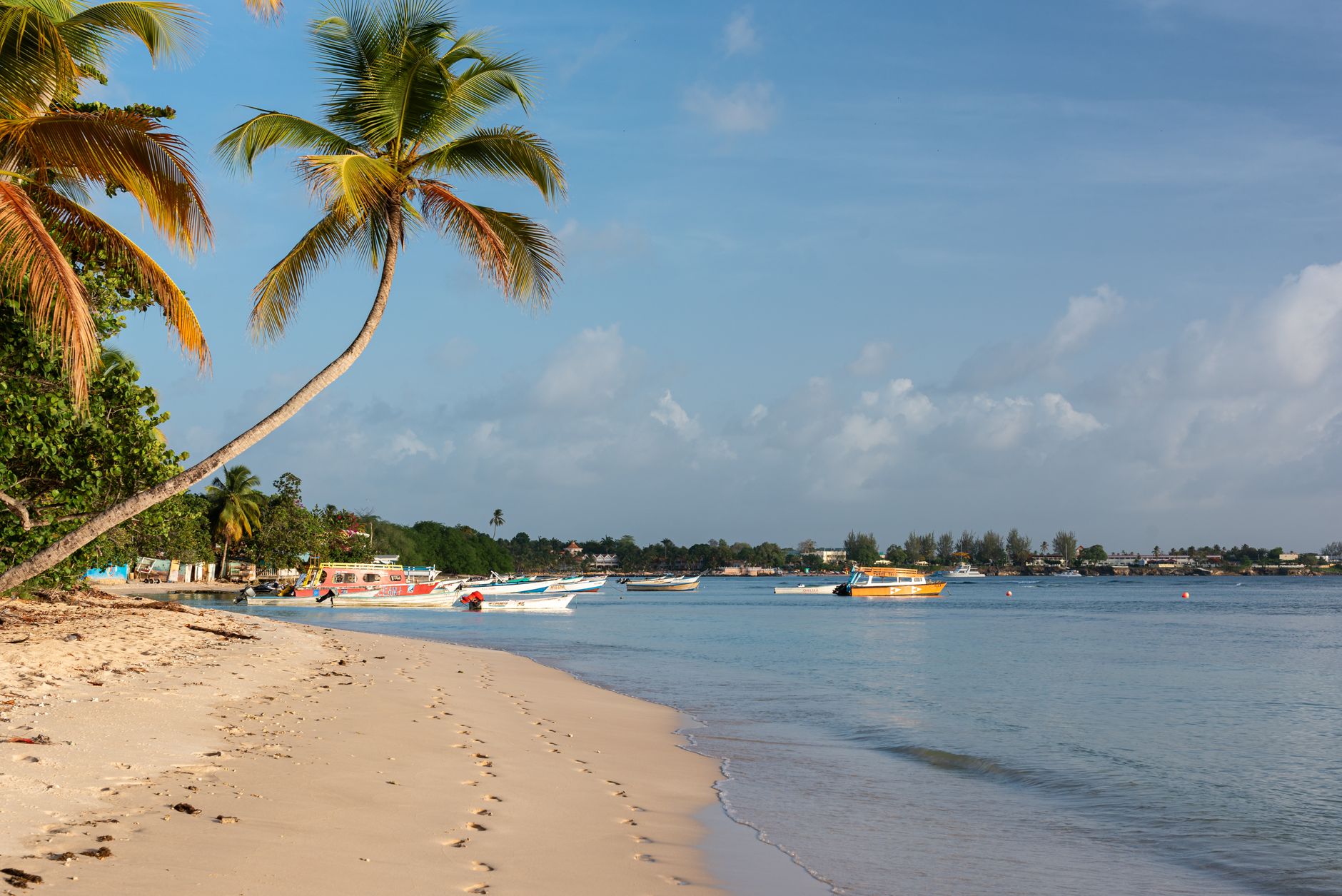
Spend day four at Pigeon Point Beach. This postcard-perfect beach features soft white sand and calm turquoise water. The beach has facilities including restaurants and water sports. Swim, snorkel, or simply relax under an umbrella.
On day five, visit Englishman's Bay on Tobago's north coast. This secluded beach offers dramatic cliffs and fewer crowds. Snorkel in the bay to see colorful fish. Take a boat tour to nearby islands like Little Tobago.
Days 6 and 7: Tobago Adventures and Return
Book a scuba diving tour on day six. Tobago offers excellent dive sites with healthy coral reefs. You'll see tropical fish, sea turtles, and rays. Both beginners and experienced divers find suitable sites. Local dive operators include certified instructors.
Spend your last morning at a different Tobago beach like Store Bay. Visit local craft markets in Scarborough, Tobago's capital. Buy handmade souvenirs and local artwork. Return to Trinidad by ferry or flight in the afternoon. This itinerary balances culture, nature, and relaxation perfectly.
PRO TIP: Book your ferry or flight between Trinidad and Tobago at least one week in advance during peak season (January through March). The transport fills quickly, and advance booking saves money and guarantees your spot.
3-Day Trinidad and Tobago Itinerary
Day 1: Port of Spain Highlights
Arrive early and maximize your first day in Port of Spain. Visit the Queen's Park Savannah in the morning. Climb the gazebo stairs for panoramic city views. Explore the nearby National Museum focusing on the most interesting exhibits.
For lunch, eat at a local restaurant in the Woodbrook neighborhood. Afternoon activities include walking through the Drag, Port of Spain's downtown shopping area. Visit the Cathedral of the Immaculate Conception, an impressive colonial structure. End the day with sunset drinks at a rooftop bar overlooking the city.
Day 2: Beach Day on Trinidad
Start early and head to Maracas Beach on the north coast. The drive takes about 45 minutes from Port of Spain. Arrive by 10 AM to secure parking before crowds arrive. Swim, snorkel, and relax all day.
Order fresh fish from the beach shacks and enjoy lunch with your feet in the sand. Return to your hotel in the late afternoon. This gives you a classic Caribbean beach experience without traveling to Tobago.
Day 3: Nature and Culture
If staying on Trinidad, visit the Asa Wright Nature Centre in the Northern Range mountains. This wildlife sanctuary offers guided bird watching tours. You'll see tropical birds, monkeys, and other wildlife. The centre sits in a former estate with beautiful gardens.
Alternatively, take a ferry to Tobago for a quick beach visit. This option works best if you flew in on day one morning. You'll have time for Pigeon Point Beach and a quick snorkel before returning.
PRO TIP: On a three-day trip, skip the ferry to Tobago if you're arriving in the afternoon on day one. The ferry and travel time eats up your entire second day. Instead, explore Trinidad thoroughly and return for a longer Tobago visit another time.
Trinidad and Tobago Travel Budget Guide

Accommodation Costs
Budget hotels and guesthouses range widely depending on location. Port of Spain accommodations cost more than smaller towns. Beach hotels on Tobago command premium prices during peak season. Research reviews carefully, as quality varies significantly.
Budget travelers find deals in residential neighborhoods rather than tourist areas. Guesthouses and small hotels offer better value than resorts. Booking directly with properties often yields discounts. Many places offer weekly or monthly rates that reduce daily costs.
Food and Dining
Street food provides the cheapest meals. Doubles cost minimal amounts and fill you up. Roti, curry, and rice dishes at local restaurants cost very little. Eating where locals eat saves money and provides authentic experiences.
Mid-range restaurants cost more but still remain affordable. Fine dining in Port of Spain costs significantly more. Buying groceries and cooking in your accommodation saves substantial money. Markets in Port of Spain and Scarborough offer fresh produce at low prices.
Transportation Costs
Rental cars cost more but provide flexibility and freedom. Public transportation (minibuses) costs very little per ride. Taxis charge fixed rates between major destinations. Ferries between Trinidad and Tobago cost moderate amounts.
Hiring a driver for day trips costs more but includes local knowledge. Ride-sharing apps operate in Port of Spain and tourist areas. Negotiate taxi rates before entering the vehicle. Many attractions include free entry or minimal admission fees.
Activities and Attractions
Beaches are entirely free. Hiking trails usually cost nothing. Many cultural sites charge small admission fees. Scuba diving and boat tours represent the largest activity expenses.
Free activities include exploring markets, walking through neighborhoods, and enjoying public spaces. National parks charge modest entrance fees. Museums offer affordable entry. Restaurant meals provide the best value when ordered as main courses rather than appetizers.
Best Time To Book Your Trinidad and Tobago Trip
Peak Season Advantages and Disadvantages
January through May represents peak season in Trinidad and Tobago. The weather stays dry and warm during these months. Temperatures average around 28°C (82°F). This period offers the best weather for beach activities and outdoor exploration.
Peak season brings higher prices for accommodations and activities. Hotels book up quickly, especially near Carnival in February. Flights from North America and Europe cost more. Beaches and attractions become crowded with tourists. Despite higher costs, this remains the best time for weather and experiencing Carnival.
Booking Timeline Strategy
Book accommodations three to four months before your trip during peak season. This ensures availability and better rates than last-minute bookings. Book flights six to eight weeks in advance for optimal prices. Scuba diving and boat tours can be reserved one to two weeks before your trip.
For shoulder seasons (April and May), booking two to three months ahead works well. You'll find better prices than early-season travel. Weather remains excellent with minimal rainfall. Crowds thin out compared to January and February.
Carnival Season Considerations
Carnival happens in February. It's the year's biggest celebration with parades, music, and costumes. Booking early is essential if you want to experience Carnival. Hotels often have Carnival packages that require minimum stays.
Many travelers skip Carnival because crowds overwhelm the islands. Prices triple for accommodations during Carnival week. Booking six to eight months in advance is necessary. The celebration itself offers unforgettable cultural experiences despite the high costs and crowds.
PRO TIP: Book your Trinidad and Tobago vacation for late April or May for the sweet spot. You get excellent weather, fewer crowds than January and February, and lower prices. Hotels have availability, and you'll experience the islands authentically without fighting Carnival crowds.
Packing List for Trinidad and Tobago

Clothing Essentials
Pack light, breathable clothing for hot, humid weather. Cotton and moisture-wicking fabrics work best. Bring two to three pairs of shorts and two pairs of casual pants. Pack five to six lightweight shirts and two sundresses or casual outfits.
A light rain jacket is essential year-round. Brief afternoon showers occur even during dry season. Bring one light sweater for air-conditioned spaces and evening air. Pack comfortable walking shoes for exploring towns and hiking.
Beach attire includes swimsuits (bring two to allow drying). Pack flip-flops or sandals for beaches and casual walking. A light scarf works for covering shoulders in temples or conservative areas. Avoid camouflage clothing, as it's restricted for civilians.
Sun and Water Protection
High SPF sunscreen is essential and expensive in-country. Bring your preferred brand from home. Pack sunscreen SPF 50 or higher. Bring a sun hat or baseball cap for beach days and hiking. Sunglasses protect your eyes from intense Caribbean sun.
A rash guard shirt protects your skin while swimming and snorkeling. Pack a lightweight cover-up for beaches and resort areas. Lip balm with SPF protects your lips from sun damage. After-sun lotion soothes sunburns quickly.
Toiletries and Medications
Bring all prescription medications in original containers. Pack pain relievers, anti-diarrhea medicine, and allergy medication. Insect repellent is essential, especially for evening outdoor activities. Bring your preferred brand, as local options differ.
Deodorant, shampoo, and personal care items are available but may be expensive. Bring enough for your trip. Moisturizer helps combat the dry hotel air. Basic first aid supplies including bandages and antibiotic cream are useful.
Electronics and Documents
Bring your passport and make a copy. Keep copies separate from your original. Pack a universal power adapter for charging electronics. The electrical system uses 115 volts, 60 hertz, same as North America.
Bring chargers for all your electronics. A portable phone charger is invaluable while exploring. Consider bringing a small waterproof bag for beach trips. Bring insurance cards and identification cards. Download maps offline for areas with poor cell service.
Optional Items for Specific Activities
For scuba diving, bring your certification card. Rent equipment locally or bring your own. For hiking, pack lightweight water bottles and trail snacks. Binoculars are excellent for bird watching at Asa Wright Nature Centre. A waterproof phone case protects against beach and snorkeling accidents.
A day pack or small backpack is useful for excursions. Packing cubes help organize clothing in limited luggage space. A travel pillow makes long flights more comfortable. An empty water bottle fills at your hotel before outings.
PRO TIP: Pack light and plan to do laundry. Most hotels and guesthouses offer laundry services at reasonable prices. This reduces luggage weight, makes packing easier, and saves space for souvenirs. Plan to wash clothes every few days rather than packing two weeks of clothing.
Frequently Asked Questions
Do I Need a Visa for Trinidad and Tobago?
Most nationalities don't need a visa for tourism visits to Trinidad and Tobago. Citizens of the US, Canada, UK, Australia, and most European countries receive visa-free entry for short tourism visits. You will need a valid passport with at least six months validity remaining. Immigration officers may ask about your plans and accommodation. Check with your specific country's embassy if you're unsure about your visa status. Traveling for work or business may require different documentation than tourism.
What Is the Best Time To Visit Trinidad and Tobago?
January through May offers the best weather for Trinidad and Tobago vacation planning. During these months, you'll experience warm, dry weather with temperatures around 28°C (82°F). Rainfall is minimal, making beach days and outdoor activities enjoyable. February brings Carnival, the year's biggest celebration. If you want to avoid crowds and Carnival, visit in April and May for excellent weather with fewer tourists. Hurricane season runs June through November, bringing heavy rainfall and rough seas. August and September bring the lowest prices but increased rain.
How Do I Get Between Trinidad and Tobago?
Two main transportation options connect Trinidad and Tobago. The ferry departs from Port of Spain's waterfront and reaches Tobago's Scarborough terminal in approximately two and a half hours. Ferries operate daily but schedules vary seasonally. Flights take only 15 minutes from Piarco International Airport to ANR Robinson International Airport on Tobago. Caribbean Airlines operates the primary flight service. Ferry tickets cost less than flights but require more travel time. Book both transportation options one week in advance during peak season to ensure availability.
Is Trinidad and Tobago Safe for Tourists?
Trinidad and Tobago is generally safe for tourists who follow common travel safety practices. Port of Spain and Tobago's tourist areas welcome visitors without major incidents. Avoid walking alone at night in unfamiliar neighborhoods. Keep valuables secure and don't display expensive jewelry or cameras. Use registered taxis or ride-sharing apps rather than hailing taxis on the street. Stay in established tourist areas and use hotels' recommended restaurants and activities. Most visitors complete their trips without experiencing problems. Standard travel safety precautions apply as they would anywhere you travel internationally.
What's the Easiest Way To Get From the Airport To My Hotel?
Piarco International Airport sits 24 kilometers west of Port of Spain. Several transportation options connect the airport to your accommodation. Registered airport taxis charge fixed rates and queue at the terminal exit. Ride-sharing apps like Uber operate at the airport with slightly lower costs. Renting a car at the airport provides maximum flexibility but requires comfort with local driving. Your hotel can arrange airport pickup if you arrange it in advance. Some accommodations offer free airport transfers as part of package deals. Expect the drive to take 30 to 45 minutes depending on traffic and your destination.