Last updated:
Trinidad and Tobago Best Time To Visit Overview
Planning a trip to Trinidad and Tobago requires understanding the island's unique climate patterns. The Trinidad and Tobago best time to visit depends on your preferences and budget. The islands experience two distinct seasons: dry and wet. Most travelers prefer the dry season for sunshine and outdoor activities.
Trinidad and Tobago sits in the Lesser Antilles with coordinates 10.6918, -61.2225. The combined area spans 5,131 square kilometers with a population of 1,531,000 people. English is the official language, making communication easy for most visitors. The islands attract divers, families, and adventure seekers year-round.
Your visit timing affects accommodation prices, crowd levels, and available activities. The best months offer warm weather without excessive rainfall. Understanding each season helps you choose the right time for your needs. This guide covers everything you need to plan your perfect Trinidad and Tobago vacation.
Trinidad and Tobago Weather by Month
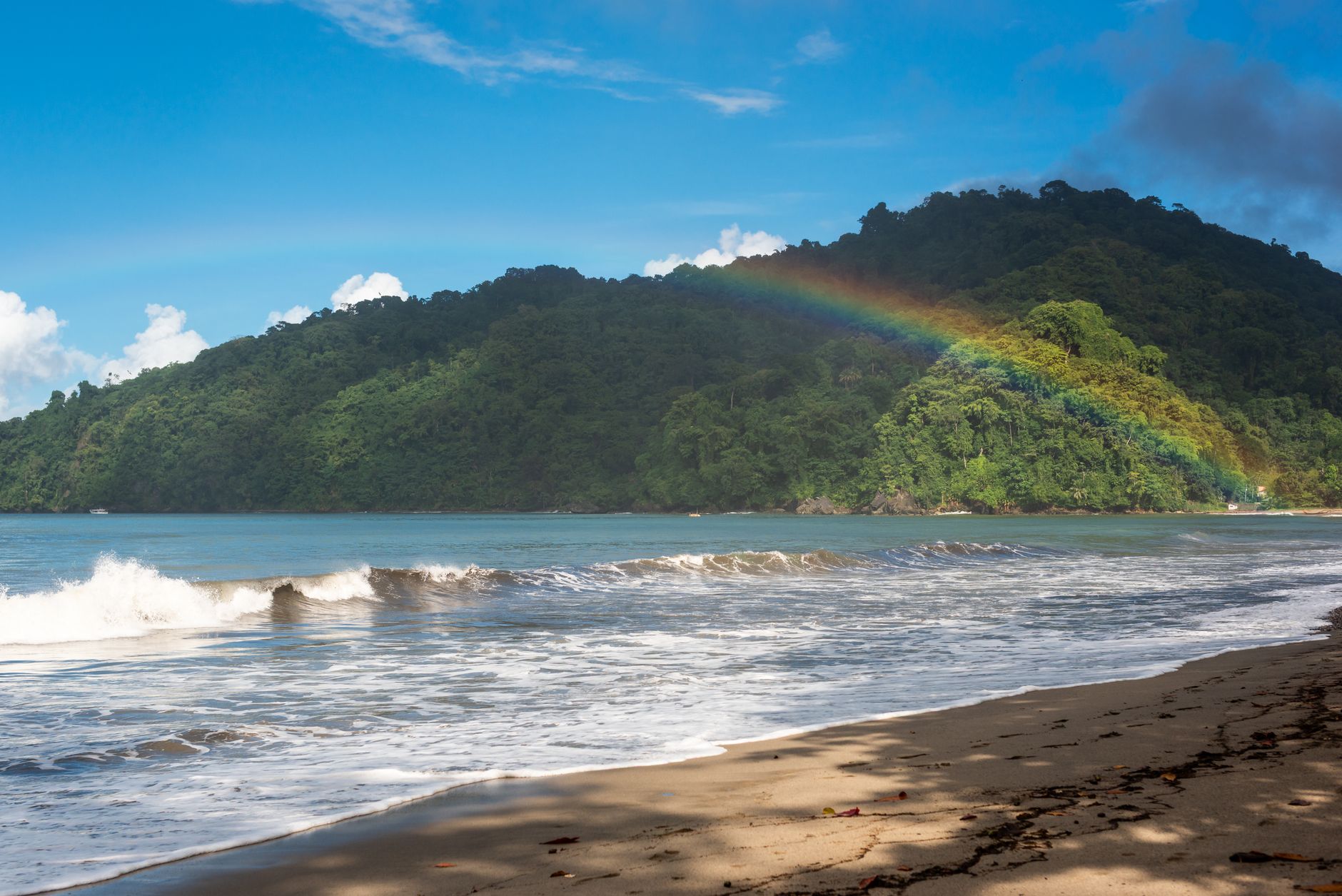
Trinidad and Tobago experiences warm weather throughout the year. The average temperature remains steady at 28°C (82°F). Monthly variations are minimal compared to northern climates. Understanding monthly weather patterns helps you pack appropriately.
January to May: These months bring the driest conditions. Rainfall is minimal, and humidity feels manageable. January temperatures average 26°C (79°F) in the mornings and 28°C (82°F) in afternoons. February remains similarly dry with consistent sunny days. March brings slightly warmer afternoons but maintains low rainfall. April marks the transition period with occasional brief showers. May signals the approach of the rainy season.
June to November: The rainy season dominates these months. June sees increased rainfall starting mid-month. July and August experience heavy afternoon showers almost daily. September and October are the wettest months overall. November transitions back toward drier conditions. Mornings often start clear, but afternoon thunderstorms are common. Rain typically falls in short bursts rather than all-day events.
December: This month marks the bridge between seasons. Early December still shows rainy season characteristics. Late December becomes drier as the dry season approaches. Christmas visitors often encounter some rainfall. Humidity begins dropping toward month's end.
Peak Season in Trinidad and Tobago
Peak season runs from January through April in Trinidad and Tobago. These months offer perfect conditions for beach activities and outdoor exploration. Dry weather dominates, with minimal rainfall interrupting plans. Hotels and attractions operate at full capacity during this period.
Prices reach their highest levels during peak season. Accommodation costs increase significantly, especially near popular beaches. Flight prices also climb during January and February. food-Restaurants and tour operators maintain extended hours to accommodate crowds. Popular attractions like Maracas Beach and Pigeon Point Beach attract thousands of visitors.
Carnival season influences peak timing significantly. Trinidad and Tobago celebrates the world-famous Carnival in February or early March. This celebration draws international visitors, musicians, and performers. Hotel availability drops dramatically during Carnival week. Prices spike to premium levels. The streets fill with parades, music, and cultural festivities. Book accommodations months in advance if you plan to visit during Carnival.
Weather during peak season provides ideal diving conditions. Ocean visibility reaches 40 meters or better. Water temperatures hover around 26°C (79°F). Dive shops offer regular trips to popular sites. The calm sea state makes boat access easier and safer.
PRO TIP: Book peak season accommodations 3 to 4 months in advance. If you want to avoid Carnival crowds but enjoy dry weather, visit late March or early April. You'll find better availability and slightly lower prices while maintaining excellent weather conditions.
Shoulder Season – Best Value
Shoulder season occurs in late April and May. These months fall between peak season and the rainy season. Weather remains mostly dry, though occasional showers begin increasing toward May's end. Accommodation prices drop noticeably compared to peak season. Flight fares become more affordable, especially in late April.
May offers good value while maintaining decent weather for outdoor activities. Mornings and early afternoons typically stay dry. Late afternoon showers are possible but usually brief. Humidity starts increasing as the month progresses. Beaches remain swimmable, though water temperatures begin rising slightly.
Tourism crowds thin considerably during shoulder season. Popular attractions operate normally but feel less crowded. You'll find shorter wait times at restaurants and dive shops. Local markets become more accessible for authentic shopping experiences. The fewer tourists create a more relaxed island atmosphere.
Shoulder season works well for families seeking good value. Kids can still enjoy beach days without peak season costs. Hotel staff have more time for personal attention. Many family-friendly activities continue running throughout May. This period offers an excellent balance of weather and affordability.
Rainy Season in Trinidad and Tobago
The rainy season spans June through November in Trinidad and Tobago. July, August, September, and October bring the heaviest rainfall. Daily afternoon thunderstorms are common but usually pass quickly. Mornings often remain clear and sunny. The islands receive up to 254 centimeters of rain annually, with most falling during these months.
Rainy season brings significant budget advantages. Hotel rates drop 40 to 60 percent compared to peak season. Flight prices reach their lowest annual levels. Restaurants and attractions offer seasonal discounts. Many travelers overlook this season due to rain concerns. This means fewer crowds at beaches and popular sites.
Weather patterns make rainy season unpredictable for outdoor planning. You might experience a clear morning followed by a drenching afternoon downpour. Humidity rises noticeably, making temperatures feel hotter. Some outdoor activities get cancelled due to unsafe conditions. Diving visibility decreases as rainfall increases runoff into the ocean.
The landscape transforms during rainy season. Vegetation becomes incredibly lush and green. Waterfalls flow with spectacular force. Hiking trails lead through tropical forests at their most vibrant. Local flora blooms throughout the islands. This natural beauty appeals to nature photographers and adventure seekers.
Hurricane season overlaps with the rainy season. Atlantic hurricane season runs June through November. Trinidad and Tobago sits south of the typical hurricane belt, reducing direct impact risk. Tropical storms occasionally bring heavy rain and strong winds. Monitor weather forecasts if you visit during September and October.
PRO TIP: Visit during September and October if rain doesn't bother you. Hotel rates hit their absolute lowest, and tourism infrastructure remains fully operational. Pack quick-dry clothing and waterproof bags. Expect brief heavy showers, but mornings typically offer clear skies perfect for activities.
Best Time To Visit Trinidad and Tobago for Families

Families should prioritize visiting during the dry season months: January through April. School holiday schedules often align with February through March. Consistent dry weather means children can enjoy beach days without rain interruptions. Hotel pools provide backup entertainment during rare rainy spells.
March and April offer excellent family timing. Kids enjoy spring break during these months in many countries. Weather remains warm and mostly dry. Accommodation prices are slightly lower than January and February. Beaches feel less crowded than during peak tourist season. Maracas Beach on Trinidad offers amenities like lifeguards and nearby food vendors.
Late April through early May works well for families seeking budget savings. Weather turns slightly wetter but remains mostly acceptable for outdoor activities. Kids can still play on beaches in the mornings before afternoon showers. Hotel staff has more availability for special requests and activities. Family-friendly restaurants aren't overwhelmed with crowds.
Family attractions operate regularly from January through May. The Asa Wright Nature Centre offers guided bird-watching tours perfect for curious children. Caroni Swamp provides boat tours where kids see caimans and tropical birds. The Emperor Valley Zoo near Port of Spain engages children with local wildlife. Pigeon Point Beach on Tobago features calm shallow waters ideal for young swimmers.
Avoid visiting during September through November if traveling with young children. Rainy season brings unpredictable weather that disrupts beach days. Strong afternoon storms create unsafe water conditions. Daily rainfall makes outdoor activities frustrating. Humidity becomes quite intense, potentially tiring for small children.
Best Time To Visit Trinidad and Tobago for Diving
Divers should visit Trinidad and Tobago from January through April. Ocean conditions reach their best during these dry season months. Water visibility extends to 40 meters or beyond. Sea state remains calm, allowing safe boat operations. Water temperature stays around 26°C (79°F), comfortable for most diving depths.
January and February offer optimal diving conditions. Northeastern trade winds keep the sea state calm on western dive sites. Visibility reaches maximum levels. Popular dive sites like Sisters Rocks and Soldado Rock become easily accessible. Multiple daily dives are possible without exhausting divers or crews.
March through April maintain excellent diving despite slight weather changes. Occasional brief rainfall doesn't significantly impact dive conditions. Visibility remains strong, though occasional slight reduction occurs. Fewer divers visit during April compared to peak months. Local dive operators schedule regular trips to all major sites.
Rainy season diving poses challenges that discourage most divers. June through November brings increased rainfall that reduces visibility significantly. Heavy runoff from land increases water turbidity. Ocean swells become less predictable, making boat operations riskier. Some dive sites close temporarily due to unsafe water conditions. Sea temperatures rise but humidity makes waiting on boats uncomfortable.
Trinidad and Tobago hosts excellent dive sites throughout the islands. The Bocas Islands near Trinidad offer steep walls and coral formations. Tobago's Speyside features the famous Japanese Gardens, a dramatic underwater site. Galleons Passage provides drift dives across the channel. All sites require diving with licensed operators. Piarco International Airport (POS) serves as your entry point for dive travel.
PRO TIP: Book dive trips with established local operators like Dive Tobago or Caribbean Diving Association. They offer English-speaking instructors and well-maintained equipment. January and February book quickly, so arrange dives before arrival if possible. Bring your certification cards and dive log books.
Best Time To Visit Trinidad and Tobago for Families
The best months for families visiting Trinidad and Tobago remain January through April. These months provide dry weather crucial for beach activities and outdoor exploration. Kids can safely swim in calm seas. Parents can relax knowing rain won't disrupt daily plans. Beach days extend from sunrise through sunset without weather worries.
School holiday schedules influence family travel timing significantly. February through early March aligns with many international school breaks. Late March and early April catch spring breaks in many countries. These periods require booking accommodations well in advance. Prices increase during official school holidays. Consider traveling just before or after peak school holiday weeks for better rates.
May represents a smart family alternative to peak season. Weather remains mostly dry, though afternoon showers increase. Hotels cost 30 to 40 percent less than peak months. Beaches feel less crowded, reducing safety concerns for supervising children. Family restaurants serve meals without long wait times. Kids experience a more relaxed island atmosphere.
Avoid planning family trips during September through November. Rainy season unpredictability makes outdoor activities frustrating. Heavy afternoon downpours disrupt beach time. Strong currents during heavy rains make swimming unsafe. Kids get restless stuck indoors during prolonged rain. Humidity becomes intense, tiring children quickly.
Tobago offers excellent family-friendly beaches and attractions. Pigeon Point Beach features calm shallow waters perfect for young swimmers. Lifeguards patrol during daylight hours. Nearby vendors sell fresh food and cold drinks. Store Bay Beach on Tobago provides coral reef snorkeling steps from shore. The Tobago Cays are perfect for family snorkeling adventures.
Best Time To Visit Trinidad and Tobago for Diving
Diving conditions peak from January through April in Trinidad and Tobago. Ocean visibility reaches 30 to 40 meters during these months. Calm sea state allows safe boat operations and multiple daily dives. Water temperatures remain pleasant at 26°C (79°F), ideal for most dive profiles.
January provides the absolute best diving window. Clear seas and minimal rainfall mean maximum visibility. Dive shops operate multiple daily boat trips to popular sites. Advanced and recreational divers find suitable dives daily. Book accommodations near dive shops for convenient morning departures. Piarco International Airport (POS) operates regular flights from major destinations.
February and March maintain excellent conditions despite Carnival celebrations. Dive tourism continues normally even during Carnival festivities. Some divers combine cultural experiences with diving activities. Visibility remains superb for underwater photography. Specialized macro photography sites around coral formations produce excellent images.
April marks the tail end of optimal diving season. Conditions remain good but occasional weather changes begin. Visibility sometimes decreases slightly toward month's end. Some divers report occasional thermocline effects. Overall conditions stay well above acceptable diving standards. Fewer crowds mean more personalized dive guides and attention.
Trinidad and Tobago's dive sites deserve exploration during optimal season. Soldado Rock near Trinidad features dramatic wall diving. Sisters Rocks offers multiple depth zones for all certification levels. Goat Island provides excellent wreck diving opportunities. Speyside in Tobago features the renowned Japanese Gardens site. Galleons Passage creates exciting drift dive conditions.
During rainy season, visibility decreases and sea state becomes unpredictable. Heavy rainfall reduces visibility to 5 to 15 meters. Water turbidity increases from land runoff. Ocean swells make boat operations uncomfortable and sometimes unsafe. Some dive sites become inaccessible temporarily. Temperature increases make bottom time calculations more critical. Most recreational divers avoid rainy season diving due to these challenges.
Frequently Asked Questions
What Is the Absolute Best Month To Visit Trinidad and Tobago?
February offers the single best combination of weather and activities. Dry conditions provide clear skies for all outdoor activities. Ocean conditions peak for diving and water sports. However, Carnival celebrations make accommodation scarce and expensive. If you want to avoid Carnival crowds, March or April offer nearly identical weather with better availability and slightly lower prices. Both months maintain excellent dry season conditions perfect for beaches and exploration.
Will I Encounter Hurricane Season in Trinidad and Tobago?
Atlantic hurricane season technically runs June through November. However, Trinidad and Tobago sits south of the typical hurricane belt, making direct hurricane strikes extremely rare. The islands occasionally experience tropical storms bringing heavy rain and strong winds. Weather forecasts provide ample warning of approaching systems. Most travelers visit safely during rainy season without hurricane concerns. September and October present the highest risk period if storms develop. Monitor weather forecasts during these months before traveling.
Is the Rainy Season Worth Visiting Trinidad and Tobago?
Rainy season offers significant budget advantages, with accommodation prices dropping 40 to 60 percent. While rainfall occurs daily, morning hours typically remain clear and suitable for activities. Afternoon showers usually pass quickly within 30 to 60 minutes. The landscape becomes dramatically lush and green. Waterfalls flow spectacularly. Fewer tourists create a peaceful island atmosphere. If rain doesn't concern you, rainy season provides exceptional value. Pack quick-dry clothing and plan flexible activities around afternoon weather patterns.
Should I Visit Trinidad and Tobago for Carnival?
Carnival occurs in February or early March, offering authentic cultural experiences. The celebration features parades, music, dancing, and vibrant street parties. If cultural immersion excites you, Carnival is unforgettable. However, preparation requires booking 4 to 6 months in advance. Hotel prices peak during Carnival week. Availability becomes extremely limited. The crowds and continuous noise aren't suitable for travelers seeking relaxation. Consider visiting week before Carnival week starts for similar atmosphere with better accommodation options and lower prices.
What Should I Pack for Different Seasons in Trinidad and Tobago?
For the dry season (January to May), pack lightweight summer clothing, sunscreen, and sunglasses. Bring a light sweater for heavily air-conditioned restaurants. Pack reef-safe sunscreen to protect coral during water activities. For rainy season (June to November), add a lightweight rain jacket or poncho. Quick-dry pants and moisture-wicking shirts help with humidity. Waterproof bags protect electronics during afternoon showers. In all seasons, bring comfortable walking shoes, swimwear, and casual beach attire. The islands remain warm year-round, so heavy clothing is unnecessary.