
Last updated:
Getting around Trinidad and Tobago requires understanding your transport options. This island nation sits in the Lesser Antilles at coordinates 10.6918, -61.2225. With a population of 1,531,000 people and an area of 5,131 km², you have many choices for movement. Trinidad and Tobago parking transport infrastructure includes cars, taxis, buses, and bikes. This guide covers everything you need to travel confidently.
Car Rental in Trinidad and Tobago
Renting a car gives you freedom to explore Trinidad and Tobago at your own pace. Major car rental companies operate at Piarco International Airport and in Port of Spain. You will find familiar names and local operators throughout the island. Most rental companies require a valid international driver's license. You must be at least 21 years old to rent a vehicle. Many companies demand a credit card for the deposit.
Rental cars range from compact sedans to SUVs. Choose based on where you plan to travel. The northern areas have steeper, narrower roads than the south. SUVs handle these mountain roads better. Sedans work fine for flat regions and coastal drives. Insurance is essential and usually costs extra. Third-party liability is mandatory by law. Comprehensive coverage protects your vehicle from damage or theft.
Daily rental rates vary by season and vehicle type. Reserve your car before arrival if possible. Check what fuel type the car uses. Most vehicles run on regular gasoline. Return your car with a full tank to avoid refueling charges. Fill up at major stations like Paria or Unipet. Driving hours matter for some rentals. You may pay extra for mileage beyond daily limits. Ask about free airport pickup and drop-off services.
PRO TIP: Book your rental car online before traveling. Advance reservations often cost 20-30% less than walk-up rates at the airport. This saves money and guarantees vehicle availability during peak travel months.
Taxis in Trinidad and Tobago

Taxis are the quickest way to move around cities in Trinidad and Tobago. You will find taxis at airports, hotels, and street corners throughout Port of Spain and San Fernando. They operate 24 hours daily. Taxis are yellow with blue stripes and a registration number on the roof. Never use unmarked vehicles, as they are illegal.
Negotiate your fare before entering the taxi. Most drivers do not use meters. Ask your hotel staff for typical prices to your destination. Fares range widely based on distance and traffic. A short trip across Port of Spain costs less than travel to distant areas. Always agree on price before departure. Keep small bills handy for payment. Tipping is not required but appreciated.
Shared taxis, called maxi taxis, carry multiple passengers on set routes. These are cheaper than private taxis but slower. Maxi taxis fill up before leaving. They make many stops. Use them for budget travel between towns. Regular taxis are faster for direct routes. Airport taxis charge fixed rates to major hotels and areas. Ask the dispatcher for the official rate before booking.
Public Transport Options
Public buses connect most towns and villages across Trinidad and Tobago. The Public Transport Service Corporation (PTSC) operates the main bus system. Buses are colorful, crowded, and authentically Caribbean. They serve routes from Port of Spain to every corner of the island. Buses run early morning until evening. Schedule frequency varies by route. Main routes have buses every 15-30 minutes. Remote routes may run only a few times daily.
Bus fares are extremely affordable, usually under 5 TTD per trip. No reservations exist, so arrive early on busy routes. Buses stop anywhere along their route. Simply wave to flag one down. Tell the conductor your destination to pay the correct fare. Buses can become very crowded during rush hours. Pickpockets operate on some busy routes, so watch your belongings. Keep your bag in front of you.
Routes connect Port of Spain, San Fernando, Chaguanas, and Tobago. The Port of Spain bus terminal is the main hub. Buses depart from here for all major destinations. Travel times vary from 30 minutes to 3 hours depending on distance. The northern coast route passes beaches like Maracas. The southern route reaches industrial areas and less-visited towns. Night buses run limited routes between major cities.
PRO TIP: Download the Trinidad and Tobago bus app or ask locals for current routes. Bus schedules change seasonally and routes sometimes shift without warning. Your hotel can provide updated route information.
Getting Around Trinidad and Tobago on a Budget
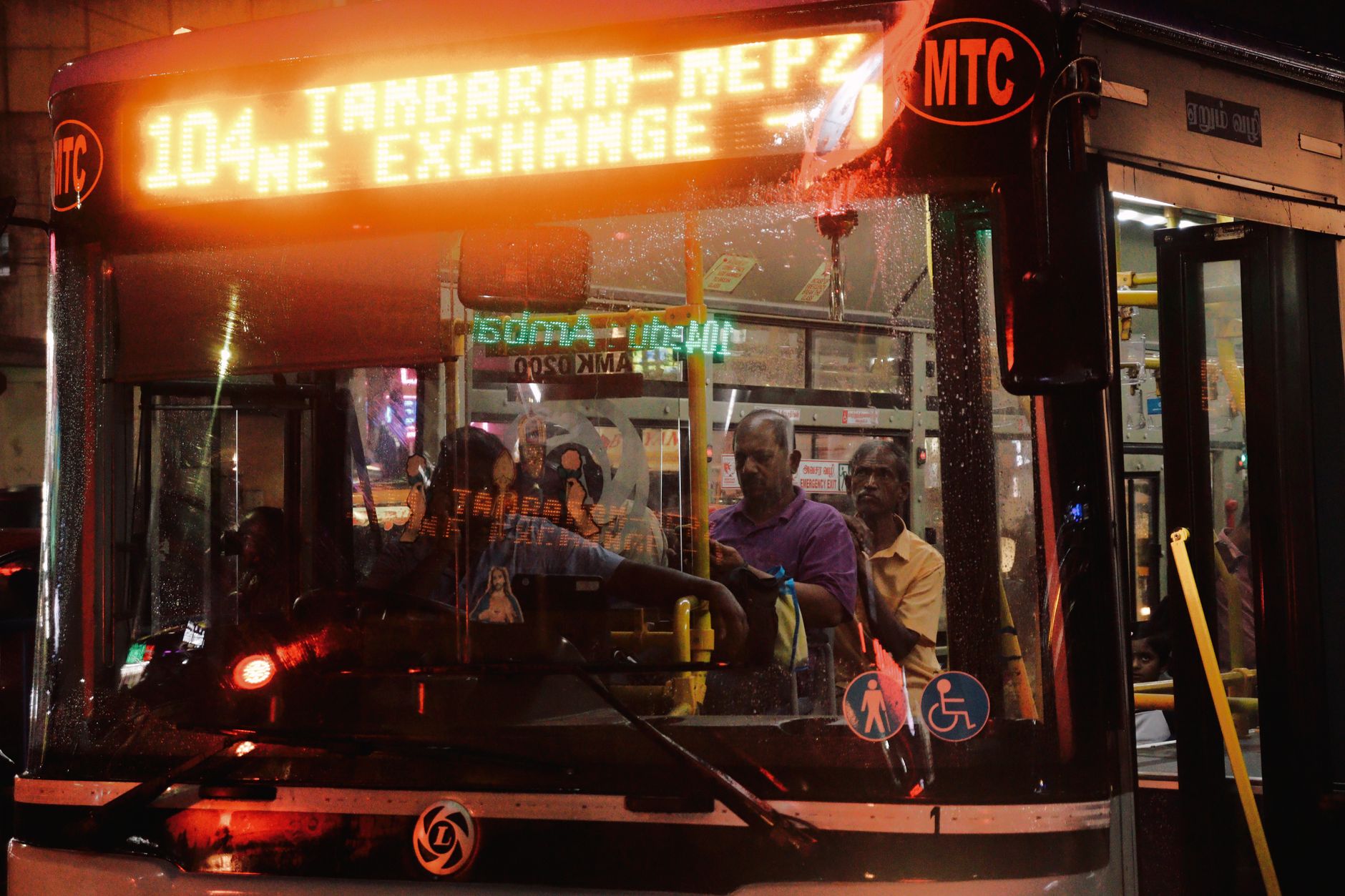
Traveling cheaply in Trinidad and Tobago is absolutely possible. Public buses offer the lowest transportation costs. You can travel across the island for minimal expense. Combine buses with walking to explore neighborhoods. Many towns are pedestrian friendly in their centers. Markets, shops, and attractions cluster within walking distance.
Maxi taxis cost more than buses but less than private taxis. They work well for short hops between towns. Ride-sharing apps like Uber and other services operate in Port of Spain and larger cities. These are cheaper than traditional taxis for many routes. Use ride-sharing for traveling with a group. Split the fare among passengers to reduce individual costs. Walking tours through neighborhoods cost nothing and teach you local culture.
Ferries connect Trinidad to Tobago and cost significantly less than flights. The ferry journey takes 2.5 hours from Port of Spain to Scarborough. Ferry fares are reasonable for budget travelers. Book return tickets to save money. Many budget hotels offer advice on affordable transport combinations. Local transportation cards or passes may offer discounts. Ask at your accommodation about weekly or monthly pass options.
Driving in Trinidad and Tobago: What To Know
Driving in Trinidad and Tobago requires attention and caution. Vehicles drive on the left side of the road. This takes adjustment for drivers from North America and Europe. Speed limits range from 50 km/h in towns to 80 km/h on highways. Police enforce speed limits with radar. Speeding tickets result in immediate fines paid to officers.
Road conditions vary dramatically across the islands. Main highways are paved and well-maintained. Secondary roads may have potholes and poor markings. Mountain roads are narrow and winding with sharp curves. Some rural roads lack proper signage. Drive slowly in unfamiliar areas. Traffic is heaviest in Port of Spain during morning and evening rush hours. Avoid driving at night in unfamiliar areas.
Parking in Port of Spain and San Fernando can be challenging. Street parking fills quickly during business hours. Use paid parking lots whenever available. Parking attendants charge small fees, typically 2-5 TTD per hour. Never leave valuables visible in your car. Theft from vehicles occurs regularly in some areas. Use hotel parking when available. Most accommodations offer secure parking for guests.
Fuel is readily available throughout both islands. Gas stations cluster near towns and along main roads. Prices fluctuate based on international oil markets. Keep your tank above half full in remote areas. Distances between stations can be significant in countryside regions. Carry a map or use GPS navigation. Cell phone coverage is good on both islands. Download offline maps as a backup.
Insurance is not optional in Trinidad and Tobago. Third-party liability coverage is legally required. Police will stop uninsured drivers and impose fines. Comprehensive insurance covers theft and collision damage. Always carry your insurance documentation while driving. License plates and registration papers must be current. Expired registration results in immediate fines.
Scooter and Bike Rental

Scooter and bike rentals provide alternatives to car rental in Trinidad and Tobago. Motorcycles and scooters are popular with locals. You will find rental shops in Port of Spain and tourist areas. Scooters work best for short trips and flat terrain. Bikes are ideal for exploring coastal roads and towns.
Helmet use is mandatory by law. Rental shops provide helmets with all vehicles. Insurance is essential when renting motorcycles. Never ride without coverage. Scooters consume fuel slowly, making them economical. Refueling costs less than gasoline for cars. Parking scooters is much easier than finding car spaces. You can park almost anywhere on the street.
Mountain roads present challenges for inexperienced riders. The terrain is steep and winding in many areas. Only experienced riders should attempt northern mountain routes. Coastal roads are safer and more scenic. The route to Maracas Beach is popular with riders. Scooter travel requires good balance and road awareness. Traffic can be aggressive in cities.
Rental rates for scooters are reasonable and significantly cheaper than car rental. Daily rates typically cost a fraction of car rental prices. Weekly rates offer better value for longer stays. Rental shops require a valid driver's license and passport copy. Deposits are mandatory and held during the rental period. Return your scooter with a full tank of fuel.
PRO TIP: Rent scooters only if you have previous motorcycle experience. Trinidad and Tobago roads are challenging and traffic is unpredictable. Local drivers move quickly and aggressively, especially in Port of Spain.
Ferries and Water Transport
The ferry between Trinidad and Tobago is a key transport connection. The service runs multiple times daily between Port of Spain and Scarborough. Journey time is approximately 2.5 hours. Ferries accommodate vehicles and passengers. Booking ahead is essential during peak months like January through May.
Ferry fares are affordable compared to flight costs. Passenger-only tickets cost significantly less than vehicle transport. The ferry terminal in Port of Spain is located at the waterfront. Arrive early for boarding. Ferry schedules change seasonally and due to weather. Check the official website before traveling. Motion sickness can occur on rough seas. Bring medication if you are prone to seasickness.
Water taxis operate in some coastal areas for short trips. These private boats serve specific routes and charge per passenger. Water taxis are less common than buses or land taxis. Ask your hotel about water taxi availability for your destination.
Getting To and From Piarco International Airport

Piarco International Airport (POS) is the main entry point for Trinidad and Tobago. The airport is located near Port of Spain. Taxis from the airport are fixed-rate. Book your ride at the airport dispatcher's desk. Do not negotiate with drivers outside baggage claim. The ride to Port of Spain takes 30-45 minutes depending on traffic.
Rental cars are available at the airport. Pick up your car at the rental counter after clearing customs. Airport rental prices are sometimes higher than city locations. Consider pre-booking to secure better rates. The drive from the airport to most areas is straightforward. Main highways are clearly marked from the airport.
Public buses serve the airport but are not recommended for arriving travelers with luggage. Ride-sharing apps operate at the airport. Uber is available in the Port of Spain area. Request your ride through the app after collecting baggage. Hotel shuttle services may be available if you booked in advance. Ask your accommodation before arrival.
Frequently Asked Questions
What Is the Legal Driving Age in Trinidad and Tobago?
You must be at least 18 years old to drive in Trinidad and Tobago. An international driver's license or valid national license is required. Your license must be in English or have an official English translation. Always carry your original license and passport while driving. Car rental companies require renters to be at least 21 years old. Young drivers may pay additional insurance fees. Some rental companies refuse drivers under 25 years old. Check rental terms before booking.
Are Toll Roads Common in Trinidad and Tobago?
Trinidad and Tobago has limited toll roads. The Churchill Roosevelt Highway and some other major routes charge tolls. Tolls are reasonable, typically under 20 TTD per trip. Toll plazas have clear signage. Have small bills ready for payment. Some toll booths accept electronic payment. Rental car companies advise you about toll payment methods. Ignoring toll charges results in fines mailed to the rental company. You will be charged if driving a rental vehicle through tolls.
Is It Safe To Drive at Night in Trinidad and Tobago?
Driving at night in unfamiliar areas is not recommended. Port of Spain and major towns are safer for night driving. Street lighting is adequate in city centers. Rural areas have poor or no lighting. Avoid driving alone at night in remote regions. Carjacking and robbery can occur on isolated roads. Stick to main highways and well-lit areas. Use registered taxis or ride-sharing apps for nighttime travel if possible. Lock your doors and keep windows closed while driving.
What Should I Do If I Get Into a Car Accident in Trinidad and Tobago?
Call the police immediately if anyone is injured or vehicle damage is significant. The police non-emergency number is available from your hotel. Do not move vehicles unless blocking traffic dangerously. Take photos of vehicle damage and accident scene. Exchange contact and insurance information with other drivers. Get witness contact details if available. Report the accident to your rental company immediately. File a formal police report for insurance claims. Keep all documentation for your insurance company.
Can I Use My Home Country Driver's License in Trinidad and Tobago?
Yes, you can use your valid home country driver's license in Trinidad and Tobago. Your license must be written in English or have an official English translation. An international driving permit is recommended but not mandatory. Carry your original license plus your passport at all times. Car rental companies accept valid national licenses from most countries. Your license must be current and not expired. Some police officers may question unfamiliar license formats, so carry translation documents and your passport.