
Last updated:
Trinidad and Tobago offers some of the Caribbean's most vibrant shopping experiences. The Trinidad and Tobago markets showcase authentic local culture, crafts, and flavors. Visitors find everything from fresh tropical fruits to handmade jewelry in bustling market squares. These markets reflect the islands' diverse heritage and creative spirit. Shopping here means supporting local artisans and experiencing real island life.
The best time to visit for shopping is January through May. The weather stays warm and dry during these months. Markets operate year-round, but they're especially lively during these peak seasons. Whether you seek souvenirs, food, or authentic crafts, Trinidad and Tobago markets deliver unforgettable experiences. This guide helps you navigate the islands' top shopping destinations.
Best Markets in Trinidad and Tobago
The central market in Port of Spain stands as Trinidad's largest and most popular market. Vendors sell fruits, vegetables, spices, and fresh fish throughout the week. The market opens early, around 5 a.m., and reaches peak activity by 8 a.m. You'll find the best selection and lowest prices during early morning hours. The market closes by early afternoon, typically around 2 or 3 p.m. Arrive early for the best produce and to avoid crowds.
Haggling is common practice here. Vendors expect customers to negotiate prices, especially when buying multiple items. Speak politely and respectfully with sellers. Most respond well to friendly conversation and fair offers. Bring cash in TTD currency, as many vendors don't accept cards. Keep your belongings secure and watch your bags in crowded areas.
The George F. Hill Market located in San Fernando serves southern Trinidad. This market offers similar products to Port of Spain's market but feels less crowded. You'll discover fresh local produce, spices, and prepared foods here. The atmosphere is more relaxed, making it ideal for first-time market visitors. San Fernando is about 30 miles south of Port of Spain.
Tobago's Scarborough Market provides a smaller, more intimate shopping experience. Located in the capital of Tobago, this market features local vendors selling fresh produce and seafood. The market reflects Tobago's slower pace and tight-knit community. Visiting feels like shopping in a neighborhood gathering place rather than a commercial zone. Opening times vary, so ask locals about current hours.
Local Food Markets in Trinidad and Tobago

Trinidad and Tobago's food markets overflow with tropical fruits, exotic vegetables, and fresh seafood. The central market in Port of Spain features dedicated sections for different produce types. You'll find mountains of mangoes, papayas, plantains, and dasheen during peak seasons. The spice section offers everything from turmeric to culinary herbs. Fresh fish vendors display their catch daily, and meat vendors sell local cuts prepared traditionally.
Maraval Market in Port of Spain attracts locals who value quality and freshness. This market feels more community-focused than commercial. You'll see regular customers chatting with vendors they've known for years. The atmosphere encourages browsing and discovery. Prices often reflect fair market rates rather than tourist markups. This market operates Tuesday through Saturday mornings.
The Aranguez Market serves Port of Spain's eastern suburbs. Locals frequent this market for everyday shopping. You'll discover authentic products at genuine prices here. The vendors take pride in their goods and offer helpful cooking advice. Many speak English fluently and enjoy sharing traditional recipes.
Tobago's fish markets operate near the waterfront in Scarborough and Charlotteville. Fresh fish arrives daily from local fishermen. You can watch vendors clean and prepare fish to order. Ask vendors to recommend fish suitable for different cooking methods. The freshness here surpasses anything you'll find in supermarkets.
PRO TIP: Visit markets early morning between 6 and 9 a.m. for the freshest produce and best selection. Vendors haven't sold their best items yet, and crowds are smaller. Bring reusable bags to carry purchases, and bring small bills in TTD for easier transactions.
Craft and Souvenir Shopping
Trinidad and Tobago's artisans create beautiful handcrafted items reflecting Caribbean culture. Local craft markets and specialty shops feature jewelry, wood carvings, and textiles. The Craft Development Authority showroom in Port of Spain displays work from registered local artisans. Buying here supports communities directly and guarantees authenticity. Products range from affordable small items to valuable statement pieces.
Wood carving represents a significant art form in Trinidad. Artisans craft masks, decorative boxes, and intricate sculptures from local hardwoods. These carvings often draw inspiration from carnival traditions and local history. The detail work shows exceptional skill developed over many years. Prices reflect the time and expertise invested in each piece.
Tobago's art community produces quality paintings, sculptures, and mixed media works. Studio tours operate throughout the island, allowing visitors to meet artists in their workspaces. Many artists create pieces inspired by island life, nature, and cultural heritage. Purchasing directly from studios often provides better value than retail shops. Artists enjoy discussing their work and creative processes.
Batik and fabric work represent important crafts in both islands. Artisans create vibrant clothing, scarves, and wall hangings using traditional batik techniques. Each piece takes considerable time to produce by hand. Colors remain bright and durable for years. These items make excellent gifts because they're unique and useful.
Where To Buy Local Products

The Stall Market in Port of Spain operates near the downtown area. This covered market space houses numerous small vendors. You'll find clothing, crafts, spices, and souvenirs here. The environment feels safer than open-air markets because it's enclosed. Prices tend to be moderate, falling between supermarket and street market rates.
Hotel gift shops and tourist centers offer convenience but higher prices. These shops stock mass-produced items and imported goods alongside authentic local products. Quality varies significantly, so examine items carefully. Shopping here takes less time than visiting markets, making it suitable for busy travelers. Most accept credit cards and major payment methods.
The Duty Free Shopping Centre at Piarco International Airport sells souvenirs before departure. Selection is limited compared to markets, and prices reflect airport markups. This location works well for last-minute purchases or forgotten items. Opening hours extend to accommodate late flights.
Specialty shops in Port of Spain's Frederick Street area feature high-quality local products. Many shops specialize in specific categories like jewelry, art, or handicrafts. Owners and staff possess deep knowledge about their products. Prices are higher than markets but remain reasonable. These shops offer professional service and quality guarantees.
Community cooperatives in rural areas produce excellent local products. Visiting these sources directly supports small producers. You'll find fresh goods at fair prices. Staff at these locations provide education about products and production methods. Many cooperatives welcome visitors and offer informal tours of production areas.
PRO TIP: Ask locals where they shop for the most authentic products. Hotel staff, taxi drivers, and restaurant workers know the best places that tourists don't discover. Building relationships with vendors leads to better prices and access to special items. Return to the same vendors on repeat visits for preferred pricing.
Shopping Hours and Tips
Market hours vary throughout Trinidad and Tobago. Most outdoor markets open between 5 and 6 a.m. and close by 3 p.m. Peak hours occur from 6 to 10 a.m. when vendors stock fresh goods. Afternoon shopping means limited selection and higher prices per unit. Some Friday and Saturday evening markets operate but remain less common.
Supermarkets operate longer hours, typically 7 a.m. to 8 p.m. on weekdays. Weekend hours vary but generally run 8 a.m. to 6 p.m. Some supermarkets close on Sundays or operate limited hours. Specialty shops open around 9 a.m. and close between 5 and 7 p.m. Most businesses close on Sunday or operate reduced hours.
Bring sufficient cash for market shopping. Many vendors lack card readers and prefer cash transactions. ATMs operate throughout Port of Spain but become scarce in rural areas. Exchange currency at official banks or reliable money changers for the best rates. Small bills help facilitate haggling and transactions.
Wear comfortable walking shoes because markets require exploring on foot. Bring a hat or sunscreen to protect from strong tropical sun. Markets can feel hot and crowded, so dress lightly. Carry a reusable bag for purchases rather than requesting plastic bags. Many vendors now charge small fees for plastic bags to encourage sustainability.
Don't purchase counterfeit goods or endangered species products. Buy only from licensed vendors and authorized dealers. Check that items meet customs regulations before purchasing items to bring home. Keep receipts for valuable purchases in case customs questions them.
Photography policies vary in markets. Some vendors welcome photos, while others object. Always ask permission before photographing people or stalls. Respectful behavior opens doors and creates positive interactions. Learning a few Spanish phrases helps, though English is widely spoken.
What To Buy in Trinidad and Tobago
Carnival masks represent iconic Trinidad souvenirs. These elaborate masks showcase incredible artistic skill and vibrant colors. Artisans handcraft each mask using traditional methods passed down through generations. Sizes range from small decorative pieces to full-face festival masks. These make stunning wall decorations and conversation starters at home.
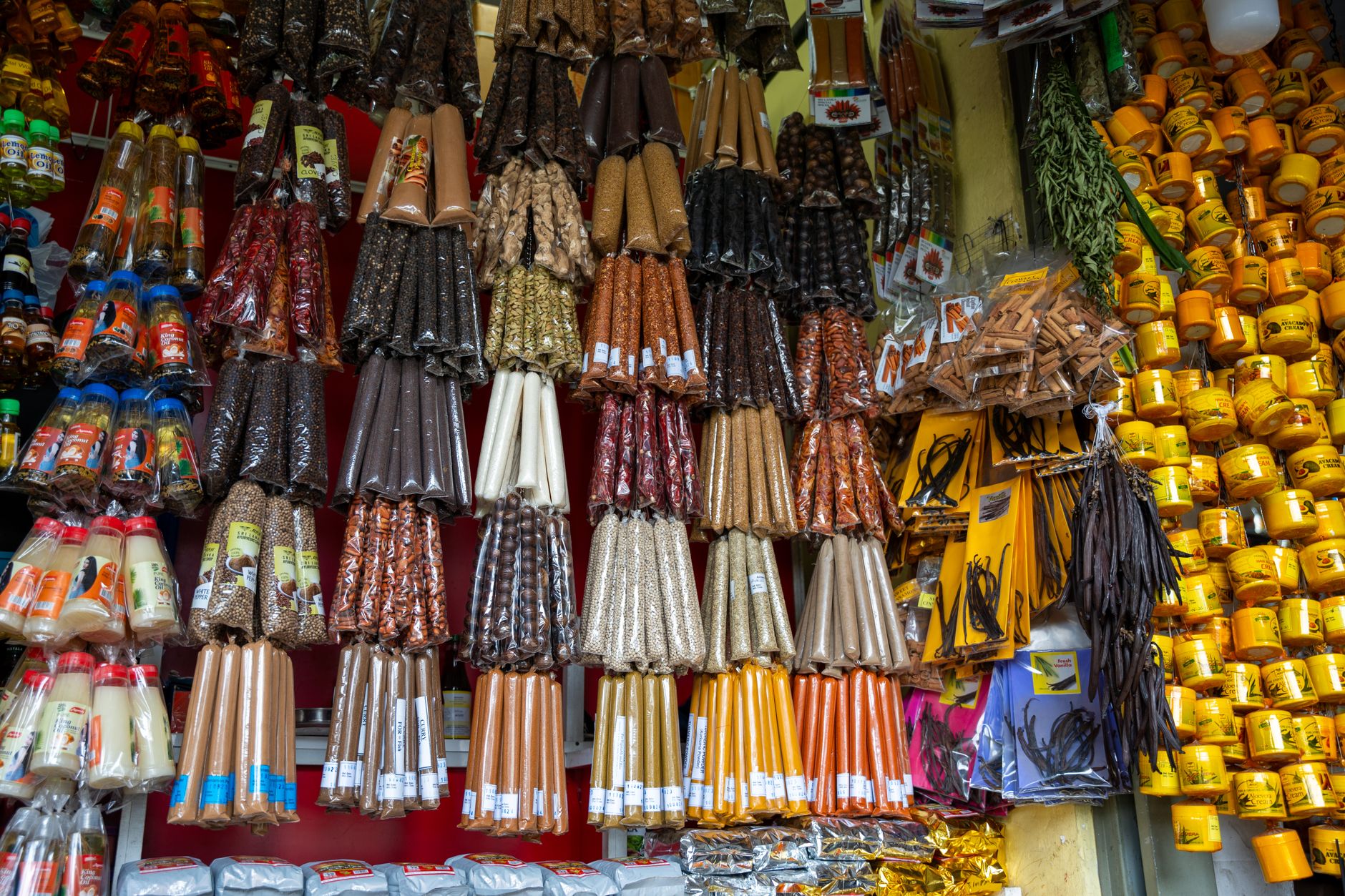
Local spices deserve space in every traveler's suitcase. Trinidad and Tobago grows exceptional spices including cilantro, nutmeg, and turmeric. Fresh spice bundles smell far superior to supermarket versions. Local spice blends capture traditional Caribbean flavoring profiles. These gifts remind you of island flavors long after returning home.
Rum and spirits represent popular purchases from Trinidad and Tobago. Local distilleries produce world-class rum enjoyed internationally. Specialty bottles and aged varieties make excellent gifts for spirits enthusiasts. Purchase from duty-free shops to secure tax benefits. Remember liquid restrictions when packing carry-on luggage.
Handmade jewelry incorporating local materials attracts many visitors. Artisans work with shells, wood, seeds, and metals. Each piece reflects the maker's creativity and skill. Jewelry prices range from affordable to investment-level depending on materials and complexity. Supporting jewelry makers contributes directly to artisan communities.
Art and paintings by local artists capture island beauty and culture. Visit galleries in Port of Spain and Tobago's studio areas. Artists often price work reasonably for original pieces. These items appreciate over time and bring island character into homes. Many artists ship purchases internationally for convenience.
Tropical foods and condiments like hot sauce and chutneys make practical gifts. Local brands offer authentic flavors unavailable elsewhere. These products travel well and remind recipients of your trip. Check customs regulations before packing perishable items for international travel.
Textiles and clothing featuring traditional patterns showcase Caribbean design. Batik scarves, shirts, and wall hangings make useful souvenirs. Colors remain vibrant after washing, and fabrics feel comfortable in tropical climates. Supporting textile artisans preserves important cultural traditions.
PRO TIP: Purchase gifts during your first days of travel so you can explore thoroughly. Many items are heavy or fragile, so buying early allows time to arrange packing. Vendors offer better selection early in your trip than near departure. Packing efficiently means more room for souvenirs discovered later.
Frequently Asked Questions
Is Haggling Expected at Trinidad and Tobago Markets?
Yes, haggling is normal and expected at outdoor markets in Trinidad and Tobago. Vendors build negotiation into their pricing strategy. Always begin with a respectful offer, perhaps 10 to 20 percent below asking price. Most vendors will counter with a reasonable compromise. Build rapport through friendly conversation to improve negotiation results. This practice rarely applies at supermarkets or formal shops where prices are fixed.
What Currency Should I Bring To Markets?
Bring Trinidad and Tobago dollars (TTD) to markets because most vendors don't accept cards. Exchange currency at official banks or airports for legitimate rates. Small bills facilitate transactions and haggling more easily. Many vendors lack change for large bills. ATMs throughout Port of Spain accept most international cards for cash withdrawals. Rural areas have fewer ATMs, so withdraw cash before traveling outside cities.
When Is the Best Time To Visit Markets for the Best Selection?
Visit markets between 6 and 9 a.m. for the best selection and freshest produce. Vendors stock shelves early, before selling their premium items to regular customers. Morning shopping means larger quantities and lower prices per unit. Afternoon shopping results in picked-over selections and increased prices. Crowds are smaller early morning, making navigation easier. Most markets close by 2 or 3 p.m., so morning visits are essential.
Are There Safety Concerns When Shopping in Trinidad and Tobago Markets?
Markets are generally safe during busy daytime hours when many people are present. Avoid displaying expensive jewelry, cameras, or large amounts of cash. Keep bags secure and watch belongings closely. Shopping with others feels safer than shopping alone. Avoid markets late in the afternoon when crowds disperse. Stick to established market areas and avoid wandering into unfamiliar neighborhoods. Local vendors are helpful and will direct you to safe areas.
Can I Ship Purchases Home From Trinidad and Tobago?
Yes, many shops and artisans offer international shipping services, though costs vary significantly. Specialty shops and galleries routinely pack and ship artwork and valuable items. Shipping costs often exceed item value for lightweight souvenirs. Most shipping takes two to four weeks to reach North America or Europe. Ask vendors about shipping costs before purchasing heavy or fragile items. For smaller purchases, carrying items in luggage remains more economical than shipping.